


Sustainability is no longer a trend—it’s a procurement metric.
In 2026, supplier meetings will look different. The focus is shifting from simple price negotiations to supply chain transparency. Buyers are increasingly asking: "What is your certified bio-content percentage?"
Sustainability has moved from the marketing department to the procurement team. With global regulations tightening and consumers demanding accountability, Bio-based Acetate is rapidly becoming the preferred material for mid-to-high-end eyewear collections.
In this article, we analyze why this material is becoming the industry standard, the technical differences that matter, and how Guarken helps brands transition without sacrificing quality or margin.
The Technical Reality: What is Bio-Based Acetate?
To understand the shift, we need to look at the chemistry.
Traditional Acetate is already semi-natural, derived from cellulose (wood pulp). However, to make it flexible, it typically relies on petroleum-based plasticizers (like phthalates).
Bio-based Acetate changes the formulation.
Instead of fossil-fuel-based additives, it uses plant-based plasticizers derived from renewable sources like corn or sugarcane. This significantly increases the renewable content (often exceeding 60-70%) and eliminates harmful toxins, all while maintaining the structural integrity of the frame.
Side-by-Side Comparison
Why are product managers approving this switch? It comes down to four key factors:
1. Traditional Phthalate-Based Acetate
Plasticizer: Fossil-fuel derived.
Environmental Impact: High carbon footprint; extremely slow degradation.
Safety: Contains phthalates, which face increasing regulatory scrutiny in the EU and US.
2. The New Standard: Bio-Based Acetate
Plasticizer: Renewable biomass.
Environmental Impact: Lower carbon footprint and improved biodegradability.
Safety: Non-toxic, hypoallergenic, and future-proof against safety regulations.
Performance: Indistinguishable from traditional acetate in hardness, gloss, and adjustability.
Why 2026 is the Critical Year
We are past the "experimental" phase. Three forces are converging to make bio-based materials a requirement, not an option:
Consumer Willingness: Data shows that nearly 70% of younger consumers (Gen Z & Millennials) prioritize sustainability when choosing brands.
Anti-Greenwashing Laws: Stricter "Green Claims" directives (especially in Europe) mean brands must back up their eco-friendly marketing with verified material science.
Supply Chain Maturity: The material availability has stabilized, removing previous risks of shortage.
Solving the Cost & Quality Equation
A common concern for buyers is: "Will going green destroy my margin or limit my color options?"
Historically, this was a valid concern. However, Guarken has engineered a solution to bridge this gap.
We have optimized our Bio-based Acetate production to compete directly with traditional plastics:
Cost Efficiency: By refining our sourcing and manufacturing processes, we keep price points competitive, making bio-acetate viable for volume production, not just limited editions.
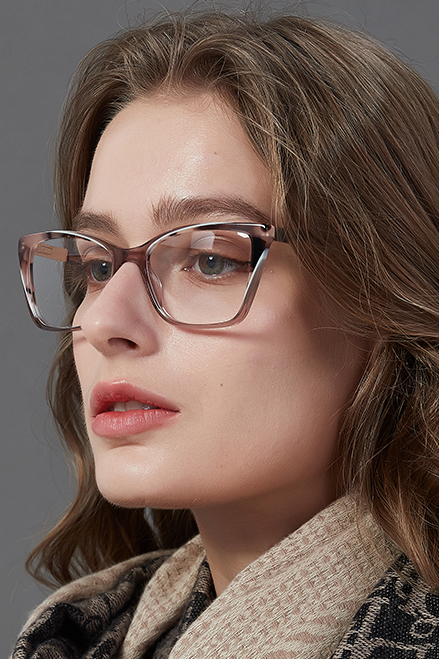
Color Stability: Early bio-plastics struggled with yellowing over time. Guarken uses advanced stabilization technology to ensure our bio-acetate retains vibrant, crystal-clear colors—like our transparent WRT5038 series—matching the lifespan of traditional luxury frames.
Actionable Steps for Buyers
If you are planning your 2026 collection, here is a practical roadmap:
Audit Your Classics: Identify existing models that can switch to Bio-based materials immediately. This is the fastest way to improve your brand's sustainability rating without new tooling.
Verify the Data: Do not rely on marketing terms. Ask for ISCC certification or carbon footprint documentation. (Guarken provides full transparency on material origin).
Test the Hand-Feel: We invite you to request a sample kit. You will find that our Bio-based acetate offers the same premium "warm touch" and density that your customers expect.
Conclusion
The shift to Bio-based Acetate is not just about being "green"—it is about future-proofing your business. As sustainability becomes a gatekeeper for market entry, brands that adapt now will secure their position.
Guarken is ready to support your transition with certified, high-quality bio-materials.